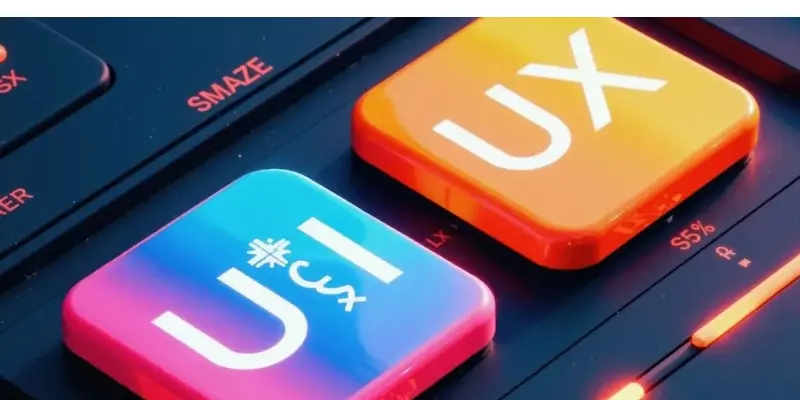
UI/UX tools enhance user experience by helping designers create simple, efficient, and user-friendly digital products. They make it easier to design, test, and improve interfaces based on real user needs. These tools are not merely visual; they are designed to solve user problems and make digital experiences seamless. Many novices prefer to develop their expertise by taking a UI UX Course in Singapore, where they learn how to use tools to create user-friendly interfaces. For any aspiring designer, understanding the functionality of these tools is a valuable step towards developing stronger skills and creating more meaningful user experiences.
Understanding the Role of UI/UX Tools
UI/UX tools refer to software programs that assist designers in designing, developing, and testing user interfaces. Such tools make tedious tasks like wireframing, prototyping, and user testing easier. These tools enable designers to draft planned layouts and interactive models rather than manually designing the entire project. This makes it easier for users to engage with a product even before it is developed. These tools are a simple way to know how to design step by step, especially for beginners. They also enhance innovation and consistency, which are essential for developing user-friendly online products.
Improving Design Efficiency and Workflow
Among the largest benefits of UI/UX tools is their ability to enhance work efficiency. Designers can create layouts, reconfigure them, and modify them without having to start over. Features such as drag-and-drop, templates, and design systems save time and energy. This enables designers to focus more on creativity and problem-solving rather than on repetitive work. Several of these tools can enhance the productivity of a person whose career lies in UI/UX, which is why this information can be useful. The teams also work more efficiently, and this is crucial in real-world projects.
Learning Industry-Relevant Skills
UI/UX tools help learners acquire the skills required in the industry. Training institutes, such as FITA Academy, give special attention to practice using these tools to expose students to real-world applications. Learners get to know how to apply theory in real-life scenarios by doing projects on design tools. This inspires confidence and develops problem-solving skills. The acquisition of these tools also helps develop a powerful portfolio that is significant in securing employment. As demand for talented designers increases, knowledge of UI/UX tools is among the most significant considerations in career development.
Enhancing User Research and Testing
User experience requires understanding the user’s needs, and UI/UX tools simplify this process. These tools allow designers to conduct surveys, usability testing, and feedback sessions. They may be able to study user interaction with a design and determine how to improve it. This helps develop more user-friendly designs. As a beginner, it is essential to learn how to work with these research features, as this will establish a very solid base in user-centered design. It also helps them understand how to make decisions using data rather than assumptions, which is useful in any design career.
Creating Interactive Prototypes
UI/UX tools enable designers to create interactive prototypes that mimic real user interaction. Designers can also demonstrate a product’s functionality rather than just display a static design. This assists clients, developers, and stakeholders in the design. It is also easier to test and improve ideas by using interactive prototypes before development commences. As a beginner in UI/UX, prototyping is an excellent skill to learn, as it demonstrates an individual’s ability to think outside the box. It also enhances communication, as designers can express their ideas more clearly.
Supporting Collaboration and Teamwork
Design is rarely done in isolation in modern work environments. Collaboration within UI/UX tools enables several team members to work on a single project. The designers, developers, and managers can exchange feedback, modify, and keep track of changes in real time. This enhances communication and reduces misunderstandings. Being a newcomer, it is a valuable professional quality to know how to work collaboratively with these tools. It also equips them to work in teams and deal with real-life projects. The well-developed teamwork skills, along with the technical knowledge, can be used to have additional job opportunities in the UI/UX domain.
Adapting to Changing Technology Trends
Technology never stops changing, and UI/UX tools are regularly being added with new features. To be competitive in their careers, designers must keep up with the times. Knowledge of modern tools can enable designers to keep up with trends, including mobile-first design, accessibility, and responsive layouts. It also promotes lifelong learning, which is critical to eventual success. To start, one can keep asking questions and try new tools to enhance their skills. This flexibility allows them to be more adaptable and willing to work on a variety of projects in the future.
Building a Successful Future with UI/UX Tools
UI/UX tools have proven to be very important in enhancing user experience through better design, greater efficiency, and improved collaboration. These tools are a must-have requirement for anyone who wants to pursue a career in this field. Not only do they help develop better designs, but they also enhance problem-solving and communication skills. Demand for user-friendly digital products will continue to grow, creating numerous opportunities for skilled UI/UX designers. With these tools and by staying abreast of industry trends, a person can achieve long-term success and establish a career in the changing world of design.
Also check: The Importance Of UI UX Design