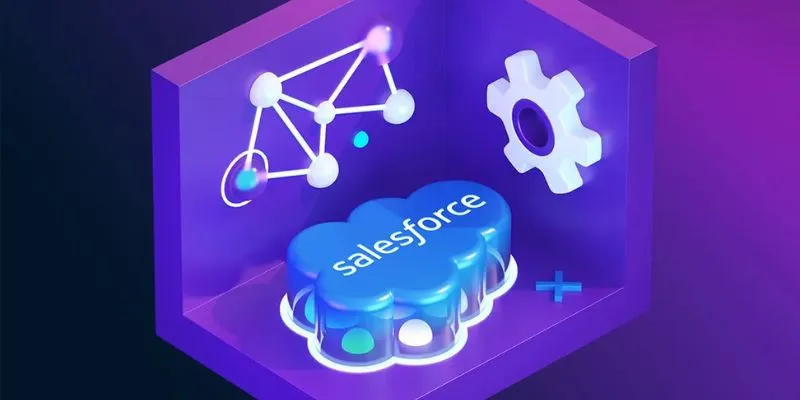
Salesforce has revolutionized the way businesses manage customer relationships, streamline operations, and drive growth. However, implementing Salesforce is not as simple as just installing software and expecting immediate results. Enrolling in Salesforce Training Chennai can help businesses equip their teams with the necessary skills to navigate the implementation process effectively. Many organizations face challenges when integrating Salesforce into their business processes. From technical issues to user adoption struggles, these challenges can impact the success of the implementation.
If your company is planning to adopt Salesforce or is already in the process, understanding these common challenges can help you prepare and create effective strategies to overcome them. Let’s explore some of the most common obstacles businesses face when implementing Salesforce and how to navigate them successfully.
1. Lack of Clear Implementation Strategy
One of the biggest reasons Salesforce implementations fail is the absence of a well-defined strategy. Many businesses jump into implementation without outlining clear objectives, leading to confusion and misalignment.
How to Overcome It:
- Define clear goals before starting the implementation process. Are you looking to improve customer service, automate sales processes, or streamline marketing efforts?
- Identify key performance indicators (KPIs) to measure success.
- Work with stakeholders across different departments to ensure alignment.
2. Poor User Adoption
Even the best CRM system won’t deliver results if your team doesn’t use it effectively. Recognizing the role of Salesforce in automating sales processes can highlight its potential benefits, yet employees may resist adopting Salesforce due to a lack of training, fear of change, or simply because they find it complex.
How to Overcome It:
- Provide comprehensive training sessions tailored to different roles.
- Encourage employees by highlighting the benefits of Salesforce in their daily tasks.
- Implement a user-friendly interface with customized dashboards to simplify navigation.
3. Data Migration Issues
Migrating data from legacy systems to Salesforce can be a major hurdle. Businesses often struggle with data inconsistencies, duplicate records, or missing information, which can lead to inefficiencies and errors. Enrolling in Salesforce Training in Bangalore can equip teams with the expertise to handle data migration more effectively.
How to Overcome It:
- Conduct a thorough data audit before migration to clean and standardize records.
- Use data validation tools to prevent duplicate entries.
- Work with Salesforce experts to ensure a smooth data transfer process.
4. Integration with Existing Systems
Most companies use multiple software applications for their operations, such as ERP systems, marketing automation tools, and accounting software. Integrating Salesforce with these existing systems can be challenging if not handled properly.
How to Overcome It:
- Identify the key systems that need integration and prioritize them.
- Use APIs and middleware solutions to facilitate seamless communication between Salesforce and other tools.
- Test integrations in a sandbox environment before full deployment.
5. Customization Complexity
Salesforce offers a wide range of customization options to tailor the platform to your business needs. However, excessive customization can make the system difficult to manage and maintain, leading to inefficiencies. Taking a Power BI Course in Chennai can help businesses understand data visualization techniques that complement Salesforce’s capabilities, ensuring a balanced approach to customization.
How to Overcome It:
- Start with standard Salesforce features before considering customizations.
- Limit custom code to essential modifications to avoid complexity.
- Regularly review customizations to ensure they align with business objectives.
6. Lack of Executive Buy-in
Without strong support from leadership, Salesforce implementation can face roadblocks. When executives are not fully invested in the project, securing resources and driving adoption becomes difficult.
How to Overcome It:
- Involve key executives from the beginning and keep them informed about progress.
- Demonstrate how Salesforce aligns with business goals and contributes to growth.
- Showcase success stories from similar industries to gain leadership confidence.
7. Insufficient Training and Support
Even after initial training, ongoing support is essential to help employees maximize Salesforce’s potential. Without continuous learning, users may struggle with advanced features or new updates. Enrolling in a Power BI Course in Bangalore can further enhance their data analytics skills, complementing their Salesforce expertise.
How to Overcome It:
- Offer refresher training sessions and advanced learning modules.
- Create a dedicated Salesforce support team to assist users with queries.
- Encourage employees to join Salesforce communities for peer support and best practices.
8. Performance and Scalability Concerns
As businesses grow, their CRM needs evolve. If Salesforce is not optimized for scalability, performance issues may arise, affecting efficiency and user experience.
How to Overcome It:
- Regularly review system performance and optimize configurations.
- Use Salesforce’s cloud capabilities to scale as needed.
- Monitor user feedback to identify potential bottlenecks early.
9. Compliance and Security Challenges
With data privacy regulations becoming stricter, ensuring compliance with industry standards is a critical concern. Organizations must ensure Salesforce implementation meets security and regulatory requirements. Enrolling in a Tally Course in Chennai can help professionals understand the best practices for safeguarding data and maintaining compliance.
How to Overcome It:
- Configure security settings to restrict unauthorized access.
- Regularly audit data access logs and implement encryption measures.
- Stay updated with legal and compliance changes relevant to your industry.
10. Measuring ROI and Continuous Improvement
After implementation, businesses often struggle to measure the return on investment (ROI) from Salesforce. Without proper metrics, it’s challenging to assess its impact and justify further enhancements. However, leveraging Salesforce Tools to Make Your Work Easier can streamline the process, offering insights that help in accurately evaluating performance and identifying opportunities for further improvements.
How to Overcome It:
- Establish clear KPIs before implementation and track progress.
- Use Salesforce reports and analytics to measure performance.
- Continuously seek user feedback to make data-driven improvements.
Salesforce implementation can be a game-changer for businesses, but only if done right. Understanding the common challenges and proactively addressing them can ensure a smooth transition and maximize the benefits of Salesforce. Whether it’s improving user adoption, managing data migration, or optimizing integrations, businesses must take a strategic approach to overcome these hurdles.
By investing in proper planning, training, and ongoing support, companies can unlock Salesforce’s full potential and drive long-term success. If you’re facing challenges in Salesforce implementation, working with experts and leveraging best practices can help you navigate the process with confidence. Additionally, enrolling in a Tally Course In Bangalore can equip teams with essential knowledge to enhance data protection and system security.
Salesforce is a powerful tool, and with the right approach, it can transform how your business operates and engages with customers. The key is to stay patient, address issues proactively, and continuously optimize your system for better performance.